Understanding Renal and Kidney Meal Planning: A Comprehensive Guide


Introduction to Renal and Kidney Meal Planning
Managing your diet is crucial when dealing with renal and kidney health issues. Proper meal planning can help manage symptoms, slow disease progression, and enhance overall well-being. This guide will explore essential aspects of renal and kidney meal planning to help you take control of your health.

Understanding Dietary Restrictions
Renal and kidney meal planning often involves dietary restrictions that are essential to maintain kidney function. These restrictions typically focus on limiting certain nutrients that can be harmful in large quantities, such as sodium, potassium, and phosphorus.
Limiting Sodium: Sodium can increase blood pressure and lead to fluid retention, so reducing salt intake is a critical step in kidney meal planning. Opt for fresh ingredients and avoid processed foods.
Managing Potassium Levels
Potassium is vital for muscle function, but too much can be dangerous for people with kidney issues. It's important to be mindful of high-potassium foods like bananas, oranges, and potatoes. Your healthcare provider may recommend specific limits on potassium intake.

Phosphorus and Protein Considerations
In addition to potassium, phosphorus is another nutrient that should be monitored. Excess phosphorus can weaken bones and cause other health issues. Foods high in phosphorus include dairy products, nuts, and certain meats.
Protein is essential for body repair and maintenance, but excessive consumption can strain the kidneys. Work with a dietitian to determine the right amount of protein for your needs.
Creating a Balanced Meal Plan
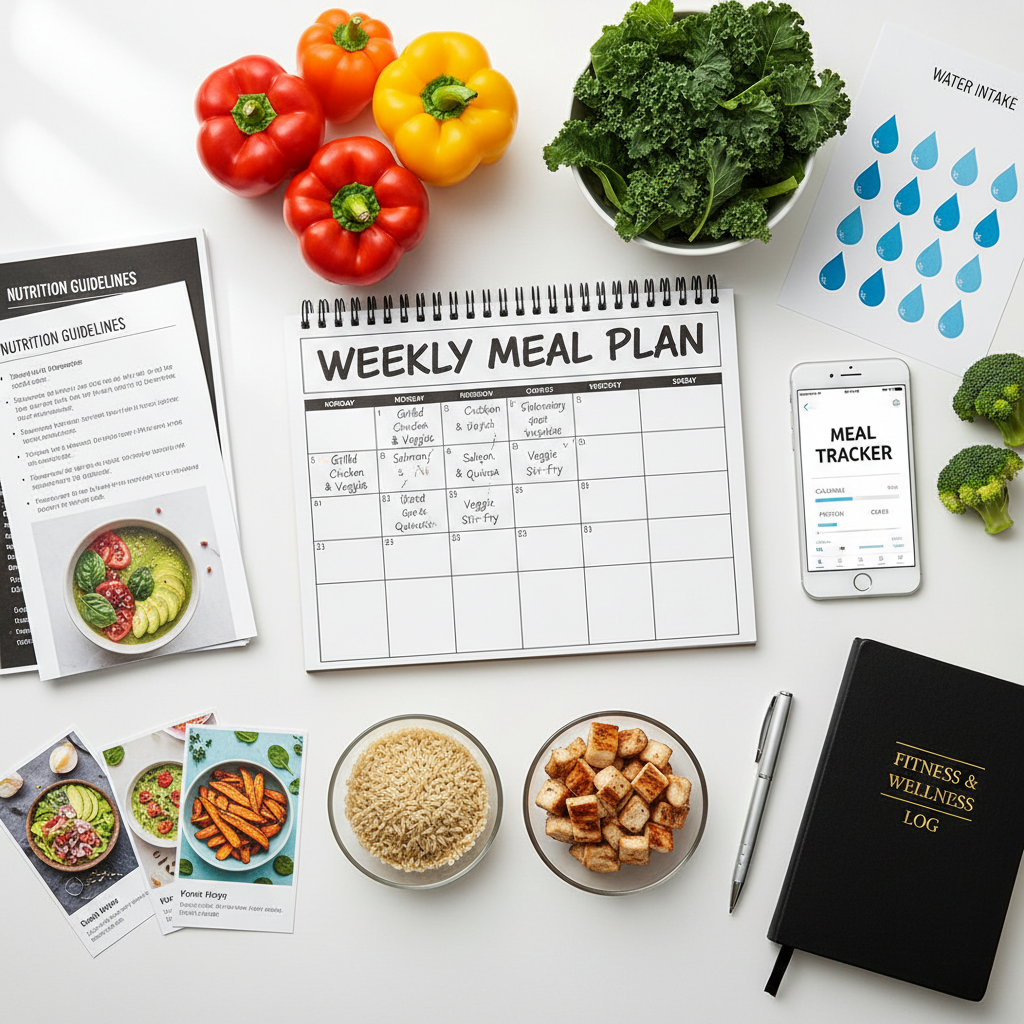
Developing a balanced meal plan involves incorporating nutrient-rich foods that are beneficial for kidney health. Focus on including fruits, vegetables, and whole grains that align with your dietary restrictions. Here are some tips:
- Choose low-potassium vegetables like cabbage and cauliflower.
- Opt for lean protein sources such as chicken and fish.
- Limit dairy intake and explore non-dairy alternatives.
Hydration and Fluid Intake
Proper hydration is vital, but those with kidney issues may need to monitor fluid intake carefully. The right amount of fluid will depend on your specific condition and treatment plan. Consult your healthcare provider to understand your needs.
Working with Healthcare Professionals
Collaboration with healthcare professionals is key to successful renal and kidney meal planning. A registered dietitian can provide personalized advice and adjustments based on your health status and lifestyle.

Conclusion
Understanding renal and kidney meal planning is a proactive way to manage your health. By being mindful of your dietary choices and working with healthcare professionals, you can support your kidney function and improve your quality of life.