The Importance of Collaboration Between Chefs and Healthcare Teams


Enhancing Patient Well-being Through Culinary Collaboration
In recent years, the intersection of culinary arts and healthcare has become a focal point in promoting patient well-being. By working together, chefs and healthcare teams can create nutritional plans that are not only healthy but also delicious and enjoyable for patients. This collaboration can significantly improve patient outcomes and overall satisfaction with their care.
Understanding Nutritional Needs
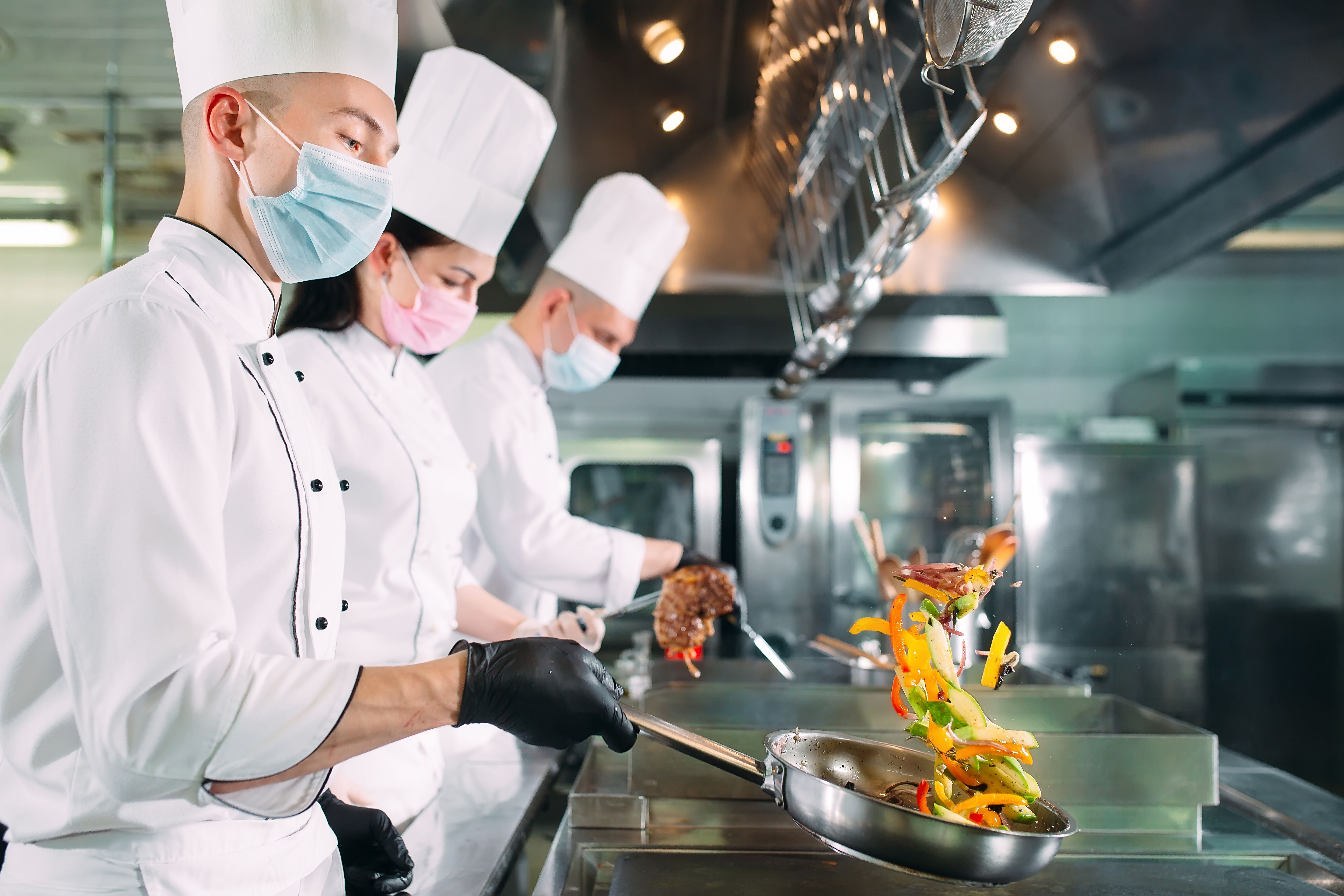
Healthcare professionals bring a wealth of knowledge about specific dietary requirements necessary for managing various health conditions. Chefs, on the other hand, possess the creativity and skills to transform these requirements into appealing meals. By collaborating, they can ensure that patients receive meals that meet their nutritional needs without compromising on taste or presentation.
For example, patients with diabetes require meals with controlled sugar levels, while those with hypertension need reduced sodium intake. A chef who is well-informed by a healthcare team can craft meals that adhere to these restrictions while still being appetizing.
Improving Patient /Clients Experience
A significant part of recovery and treatment is the patient's /clients experience, which can be greatly enhanced through enjoyable meals. When chefs and healthcare teams work together, they can provide patients with options that make them feel cared for and valued. This holistic approach can boost morale and encourage patients to adhere to their treatment plans.
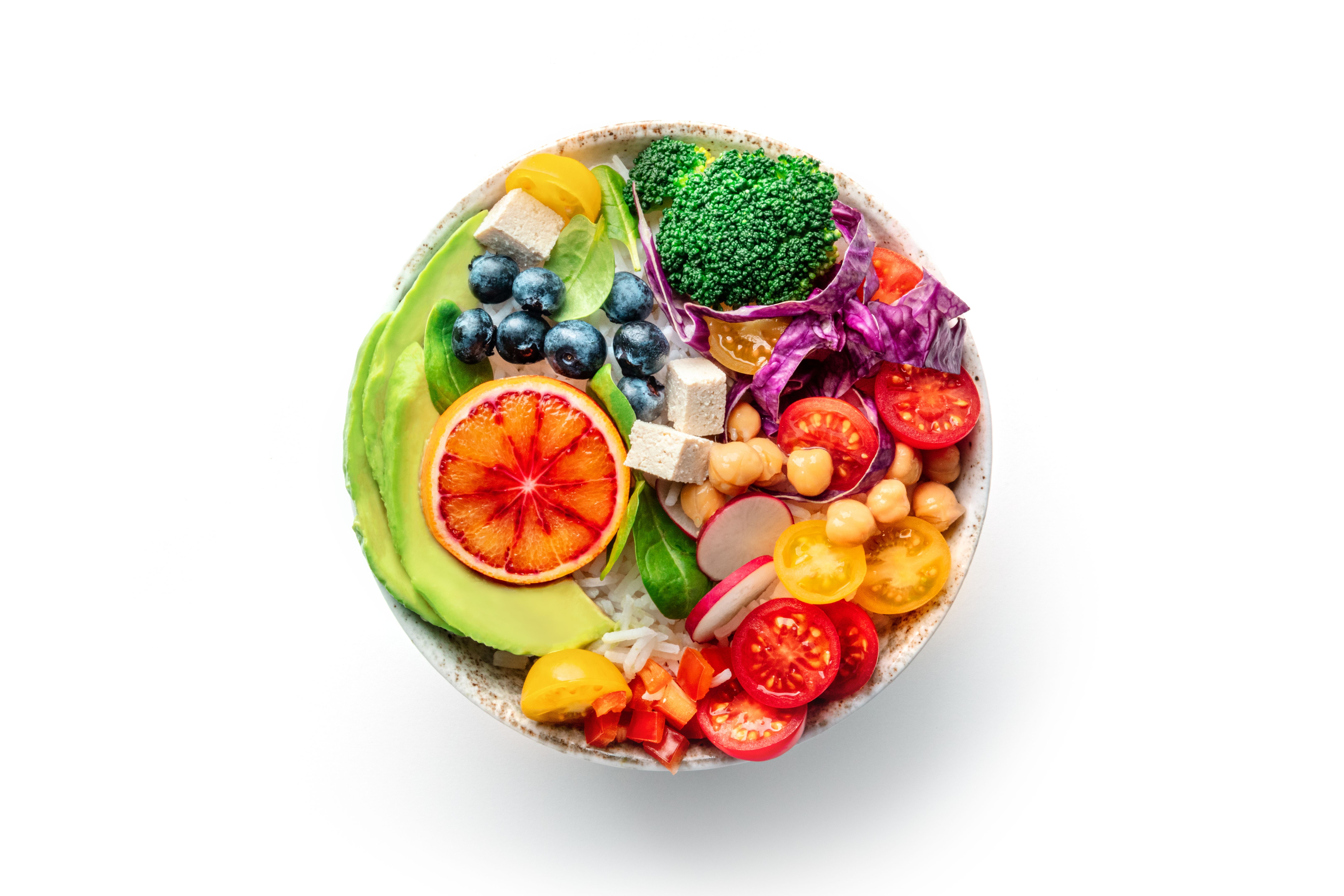
Moreover, varied and flavorful meals can help in increasing patient appetite, which is crucial for recovery in many cases. By focusing on taste and presentation, chefs can make meals more inviting, turning eating into a positive experience rather than a chore.
Educational Opportunities
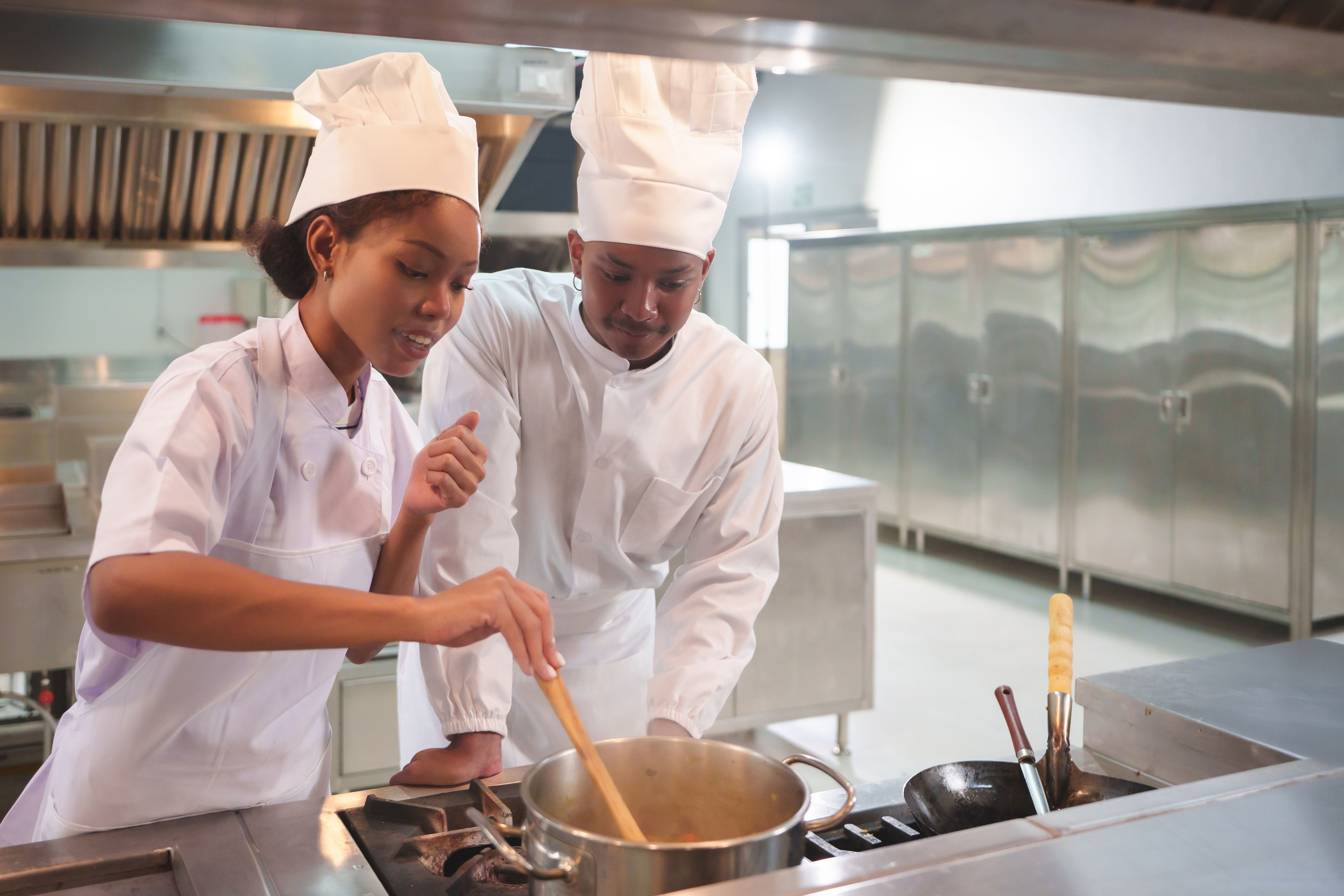
Another benefit of this collaboration is the potential for educational opportunities. Chefs can teach healthcare staff about the culinary arts, while healthcare teams can educate chefs on nutrition science. This mutual exchange of knowledge can lead to innovative meal planning and preparation techniques that benefit the entire healthcare facility.
For instance, cooking classes or demonstrations can be organized for both patients and staff, highlighting healthy cooking techniques and nutritional knowledge. This can empower patients /clients to make better food choices even after they leave the healthcare setting.
Case Studies and Success Stories
Numerous hospitals and clinics have already implemented successful collaborations between chefs and healthcare teams. These institutions report improved patient recovery rates, higher patient satisfaction scores, and even economic benefits due to reduced food waste and more efficient meal preparation.
An example of this collaboration in action is the partnership between a renowned hospital and a celebrated local chef, resulting in a menu that consistently receives high praise from patients and visitors alike.
The famous Tulane University Glodrin Center for Culinary Medicine is a perfect example of this marriage in a community like New Orleans that so desperately needs the services that they offer.
https://goldringcenter.tulane.edu/
Conclusion
The collaboration between chefs and healthcare teams is essential in creating a supportive, healing environment for patients. By combining culinary creativity with medical expertise, they can significantly enhance the quality of care and patient satisfaction. As more institutions recognize the importance of this partnership, it is likely to become a staple in patient-centered healthcare strategies.