Expert Tips for Customizing Meals to Meet Health Needs


Understanding Your Health Needs
Customizing meals to meet individual health requirements is crucial for maintaining optimal well-being. Whether you're managing a specific health condition, aiming for weight loss, or simply looking to boost your overall wellness, personalizing your diet is a powerful approach. Understanding your unique health needs is the first step towards crafting meals that not only satisfy your taste buds but also support your health goals.
It's essential to consult with a healthcare provider or nutritionist to determine your dietary needs. They can provide valuable insights into which nutrients your body requires more of and which ones to limit. This professional guidance can be especially beneficial if you have conditions like diabetes, high blood pressure, or food allergies.

Balancing Macronutrients
Macronutrients—carbohydrates, proteins, and fats—are the cornerstone of any diet. Balancing these is key to customizing meals effectively. A typical balanced meal might consist of a lean protein source, whole grains, and healthy fats. Understanding how these macronutrients affect your body can help in tailoring meals to your specific health needs.
For instance, if you're aiming to build muscle, you may need a higher protein intake, while someone looking to manage their blood sugar levels might focus on complex carbohydrates and fiber-rich foods. Adjusting the proportions of these macronutrients can make a significant difference in achieving your health objectives.
Incorporating Micronutrients
While macronutrients are important, micronutrients like vitamins and minerals shouldn't be overlooked. These are essential for various bodily functions and can play a significant role in preventing deficiencies and boosting immunity. Including a variety of fruits, vegetables, nuts, and seeds in your meals can help ensure you're getting a broad spectrum of these nutrients.
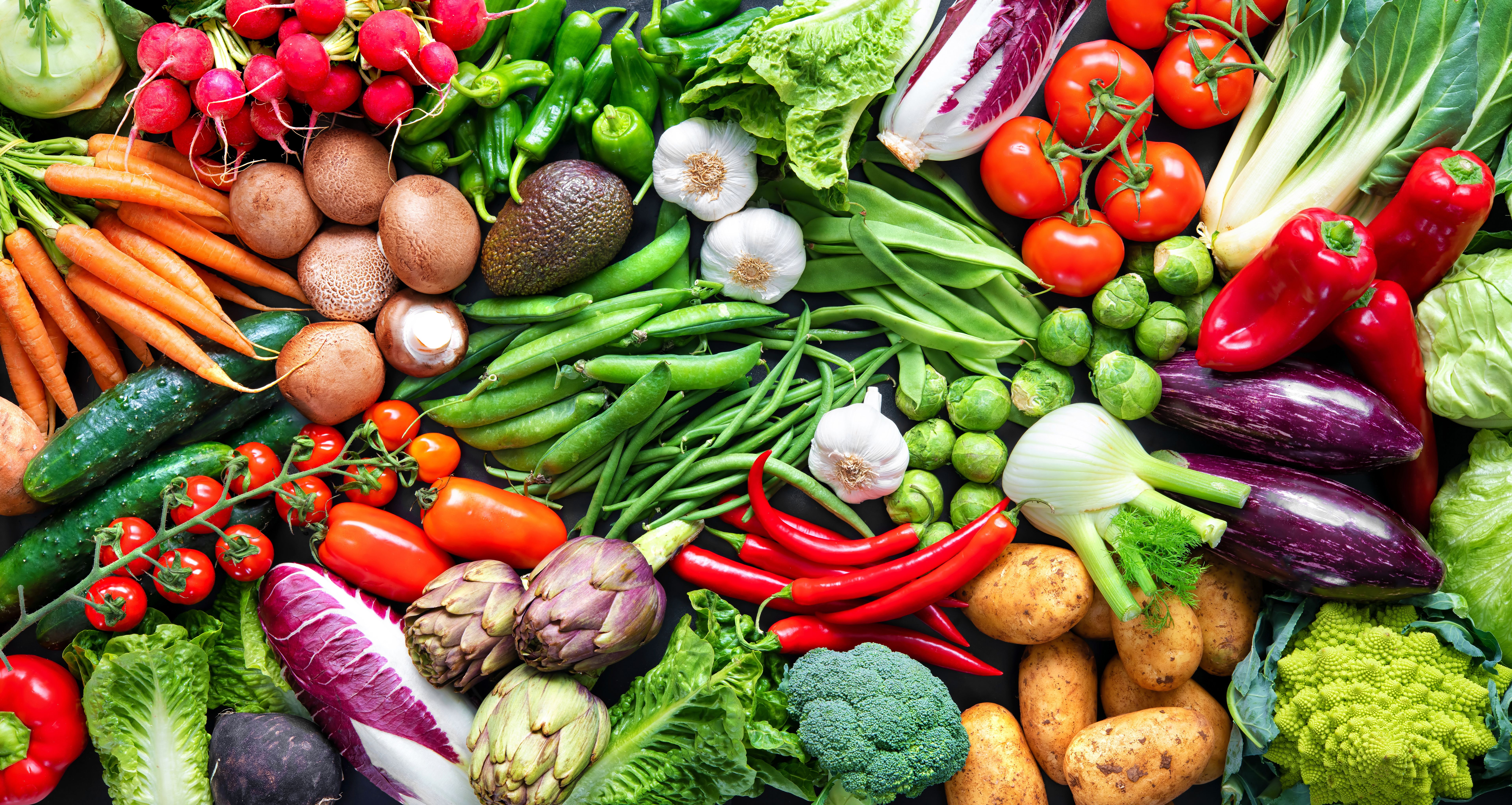
For individuals with specific health concerns, such as anemia or osteoporosis, focusing on foods rich in iron or calcium may be necessary. Customizing your diet to include these micronutrients can enhance your overall health and well-being.
Adapting to Dietary Restrictions
Many people have dietary restrictions due to allergies, intolerances, or ethical reasons. Customizing meals to fit these restrictions while still meeting nutritional needs can be challenging but achievable. For example, those who are lactose intolerant can opt for plant-based milk alternatives, while individuals with gluten sensitivity can choose gluten-free grains like quinoa or rice.
Experimenting with different ingredients and cooking methods can open up a world of possibilities, ensuring that your meals are both nutritious and enjoyable. It's also helpful to explore various cuisines, as they might offer alternative recipes that meet your dietary needs.
Utilizing Meal Planning and Preparation
Meal planning and preparation are invaluable tools in customizing your diet. By planning your meals ahead of time, you can ensure that each one aligns with your nutritional goals. This approach not only saves time but also reduces the temptation of opting for unhealthy choices when you're short on time.
Consider creating a weekly meal plan that includes a variety of foods to keep your diet interesting and balanced. Batch cooking and using storage-friendly recipes can make meal prep more efficient, allowing you to enjoy tailored meals throughout the week.
Seeking Professional Guidance
If you're feeling overwhelmed by the process of customizing your meals, consider reaching out to a registered dietitian or nutritionist. These professionals can provide personalized advice and meal plans that cater to your specific health needs. They can also support you in tracking your progress and making necessary adjustments over time.

Remember, customizing your meals is a journey, not a one-time event. As your health needs evolve, so should your diet. By staying informed and proactive, you can enjoy delicious meals that support your health and well-being.